Historical milestones
1240 – The Legend of Marshal William
According to an old tradition, Vilém, a Moravian marshal, got lost in the forest near Vranov. Helpless, he begged the Virgin Mary for help—and she appeared to him between two oak trees, healed his eyes, and showed him the way out. To commemorate the miracle, Vilém had a small wooden church built on the sacred site.
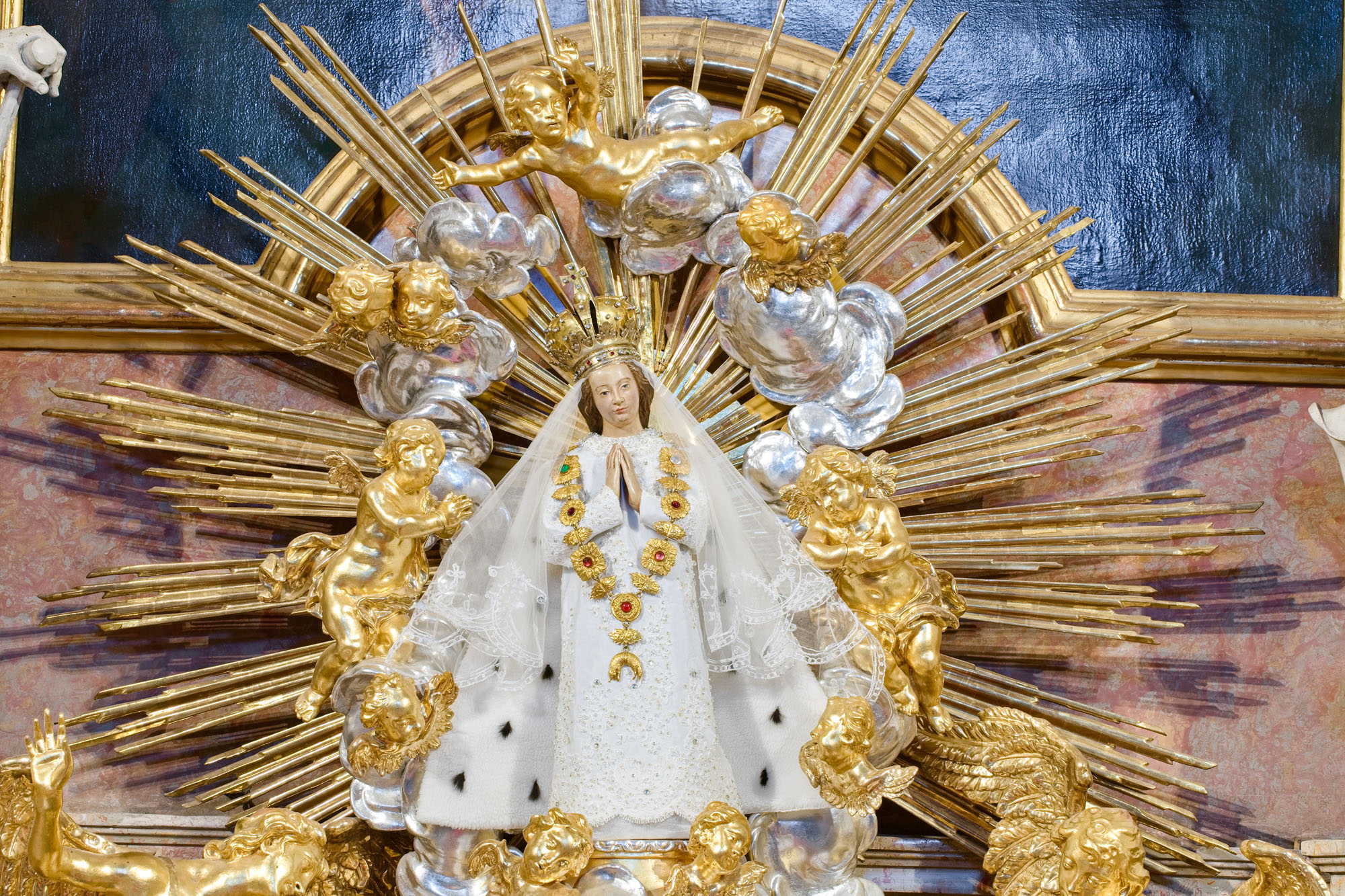
1617–1633 – Construction of the Baroque cathedral
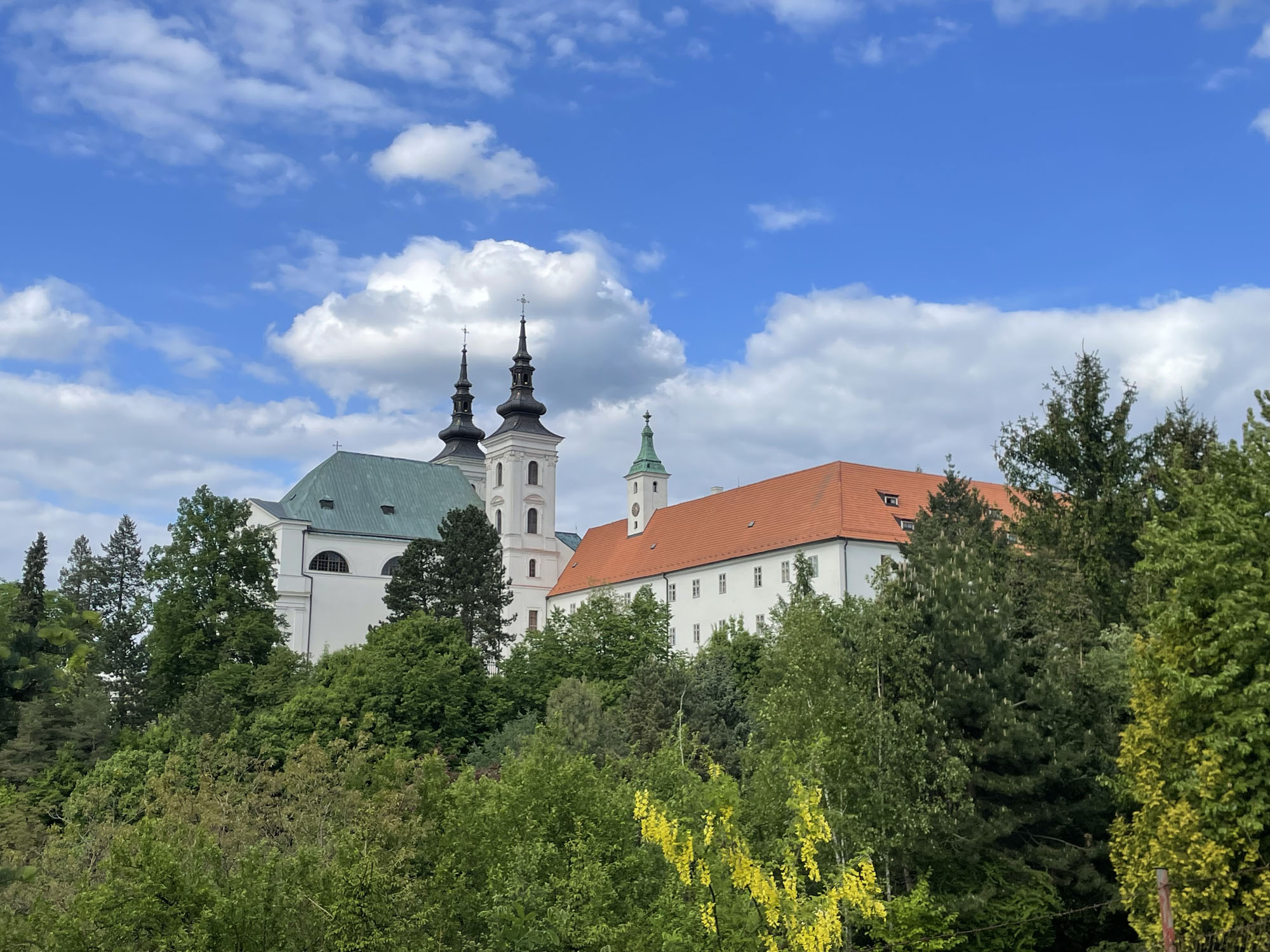
Prince Maximilian of Liechtenstein had a new, magnificent church dedicated to the Nativity of the Virgin Mary built on the site of an older church, along with an adjacent monastery complex. The monumental structure became a prominent symbol of the pilgrimage site.
1633 – The Arrival of the Minims
The Minim Friars of St. Francis of Paola have come to Vranov. Through their presence, prayer, and service to pilgrims, they have imbued the place with a unique spiritual character that endures to this day.
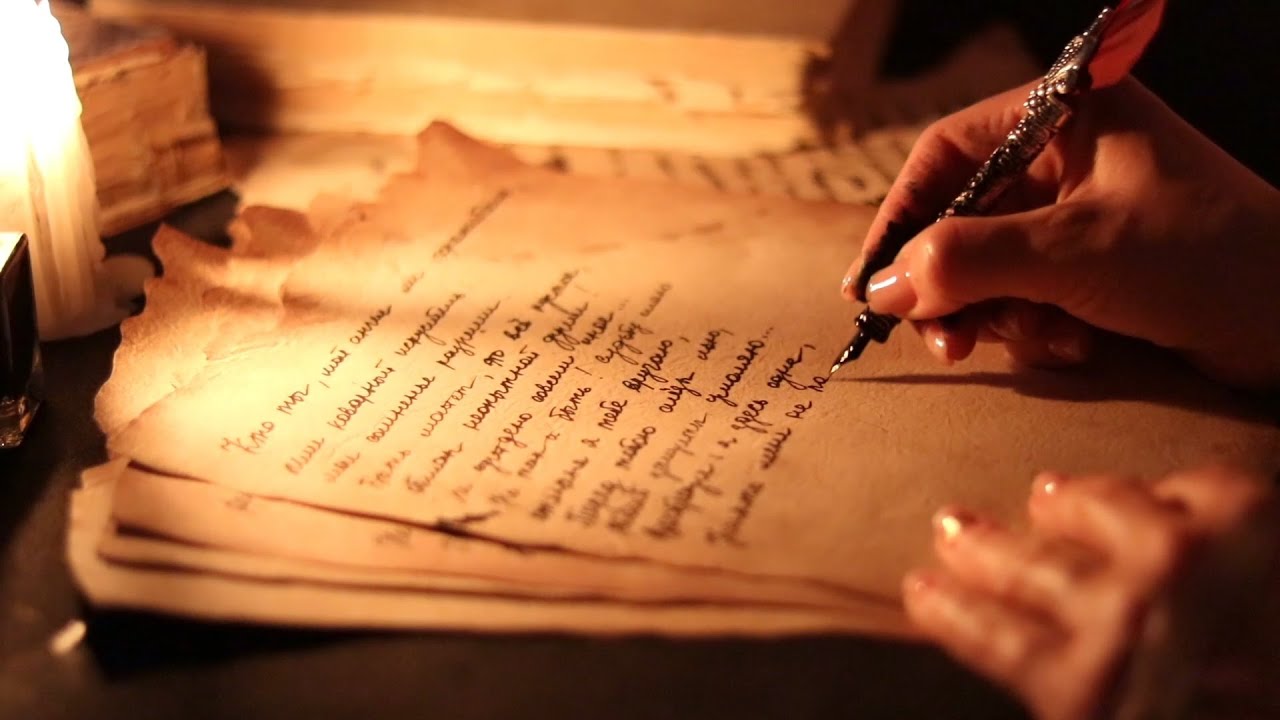
1652 – A Written Account of the Marian Miracle
Father Franciscus Talbert wrote and published a treatise titled “Vranovium seu Aula Virginis, hoc est Miracula,” in which he described the miracles and the legend of the apparition of the Virgin Mary at Vranov. Thanks to this work, the pilgrimage site became famous even beyond the borders of Moravia.
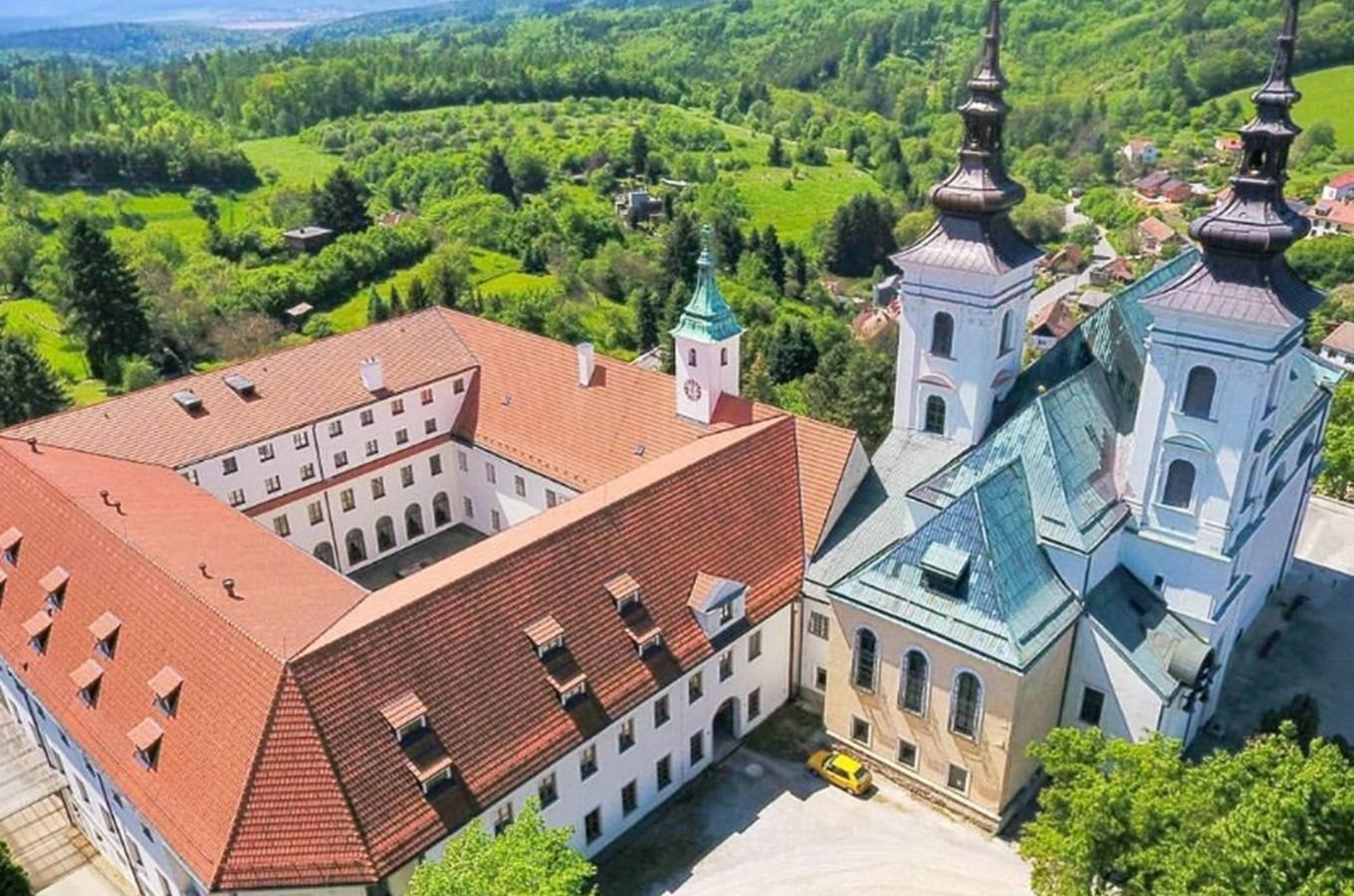
1751 – Completion of the monastery
Renovation and completion of the monastery’s quadrangle are currently underway. The monastery complex is taking on the form that has defined the Vranov complex to this day.
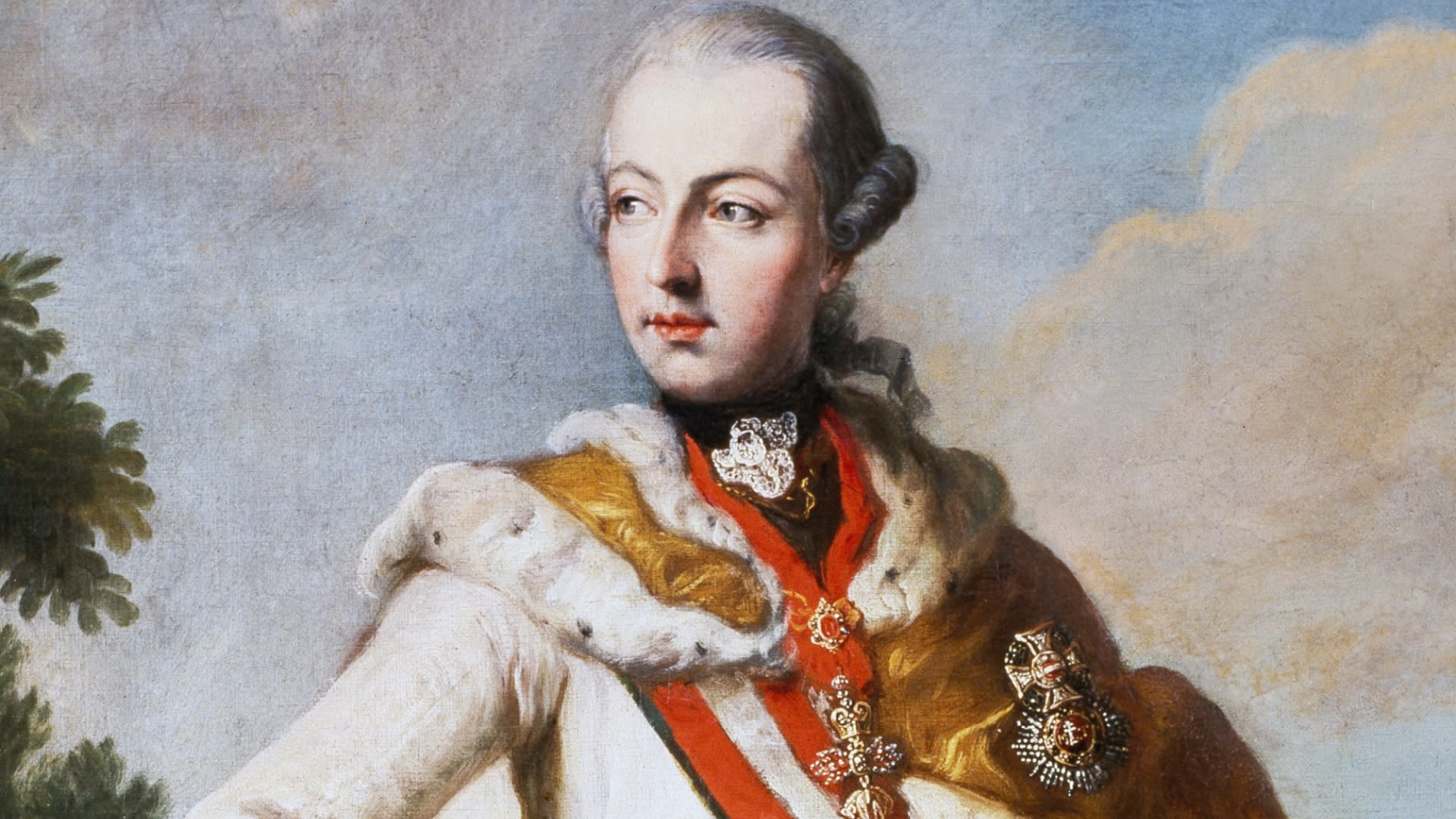
1784 – The monastery was dissolved by Emperor Joseph II.
As a result of the Josephinist reforms, the monastery of the Minims was dissolved. The church remained a place of pilgrimage, but religious life was forcibly interrupted.
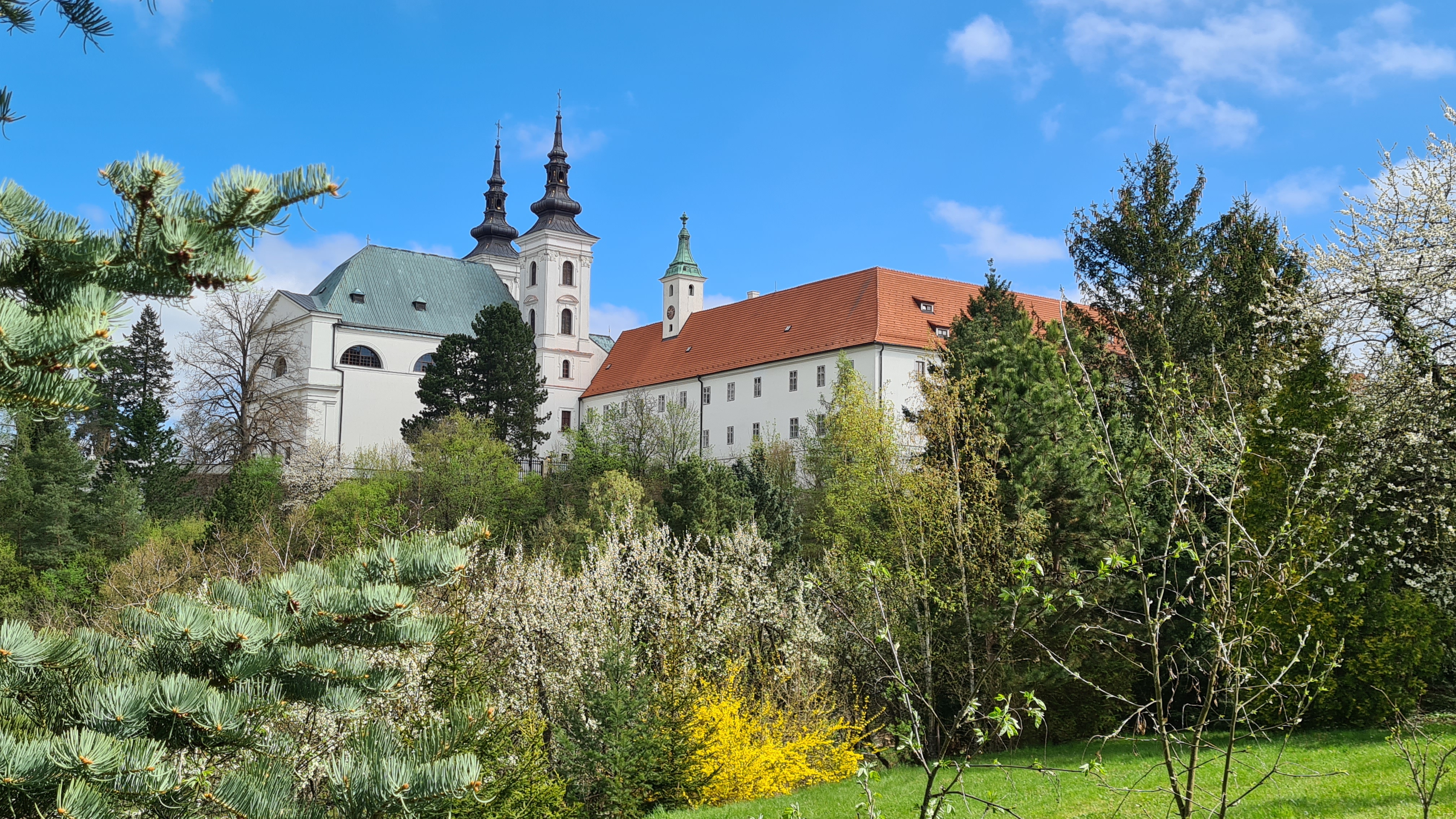
1992 – The Return of the Minims to Vranov
After a long time, the Minims are returning to Vranov u Brna. Their arrival marks the beginning of a new phase in spiritual life and also the first steps toward establishing a modern spiritual center.
1997–1999 – Phase 1 of the Spiritual Center’s construction
Construction of the south wing and part of the east wing is beginning. Accommodations for 65 guests, a dining hall, a kitchen with support facilities, a boiler room, a chapel, and a lecture hall are being built.
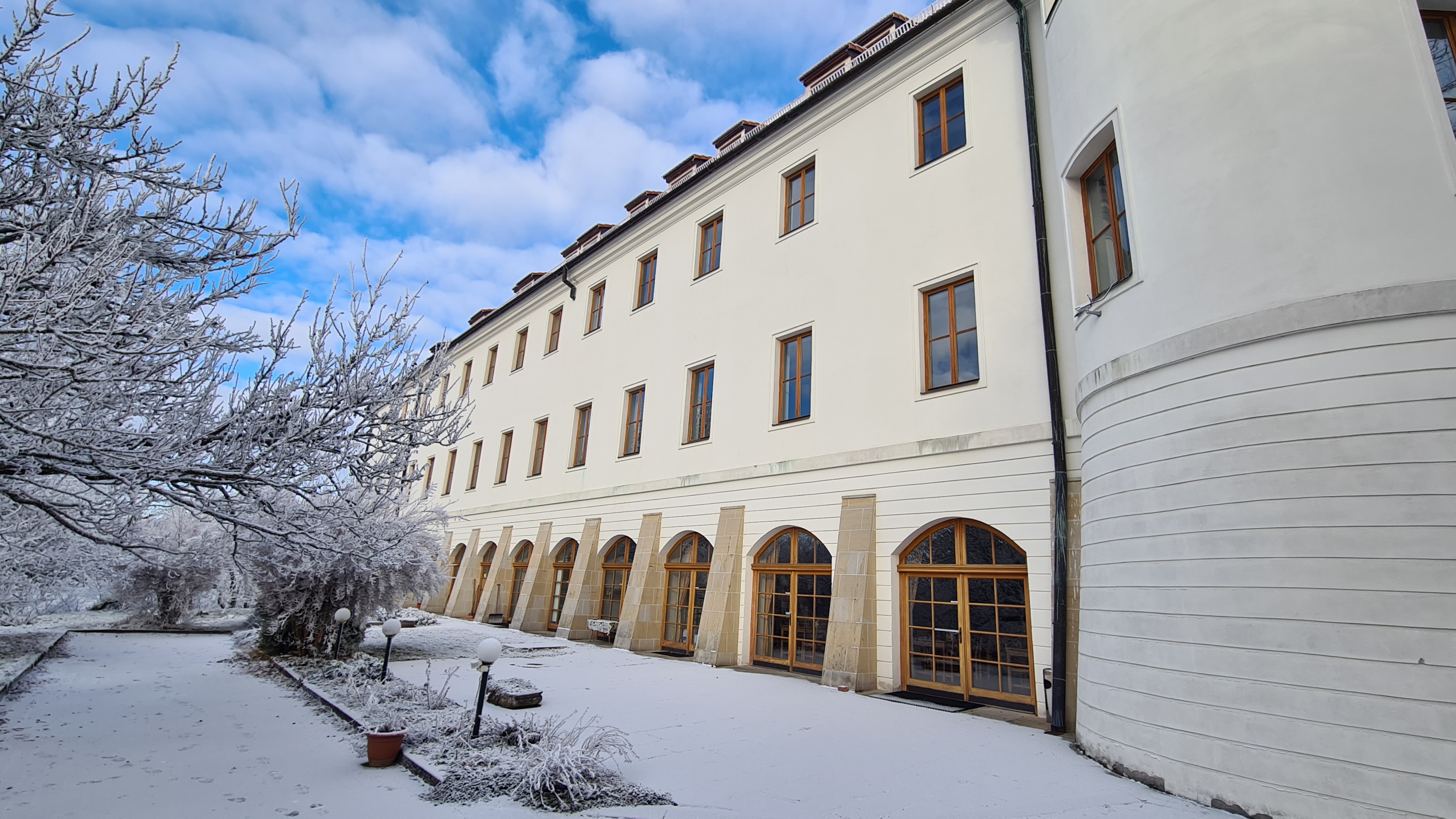
2000 – The Spiritual Center opened its doors
The new building was put into use and solemnly consecrated by Bishop Vojtěch Cikrle. At that time, Father Luigi Lia was the superior of the friars, and the School Sisters of St. Francis of Assisi were also invited to collaborate.
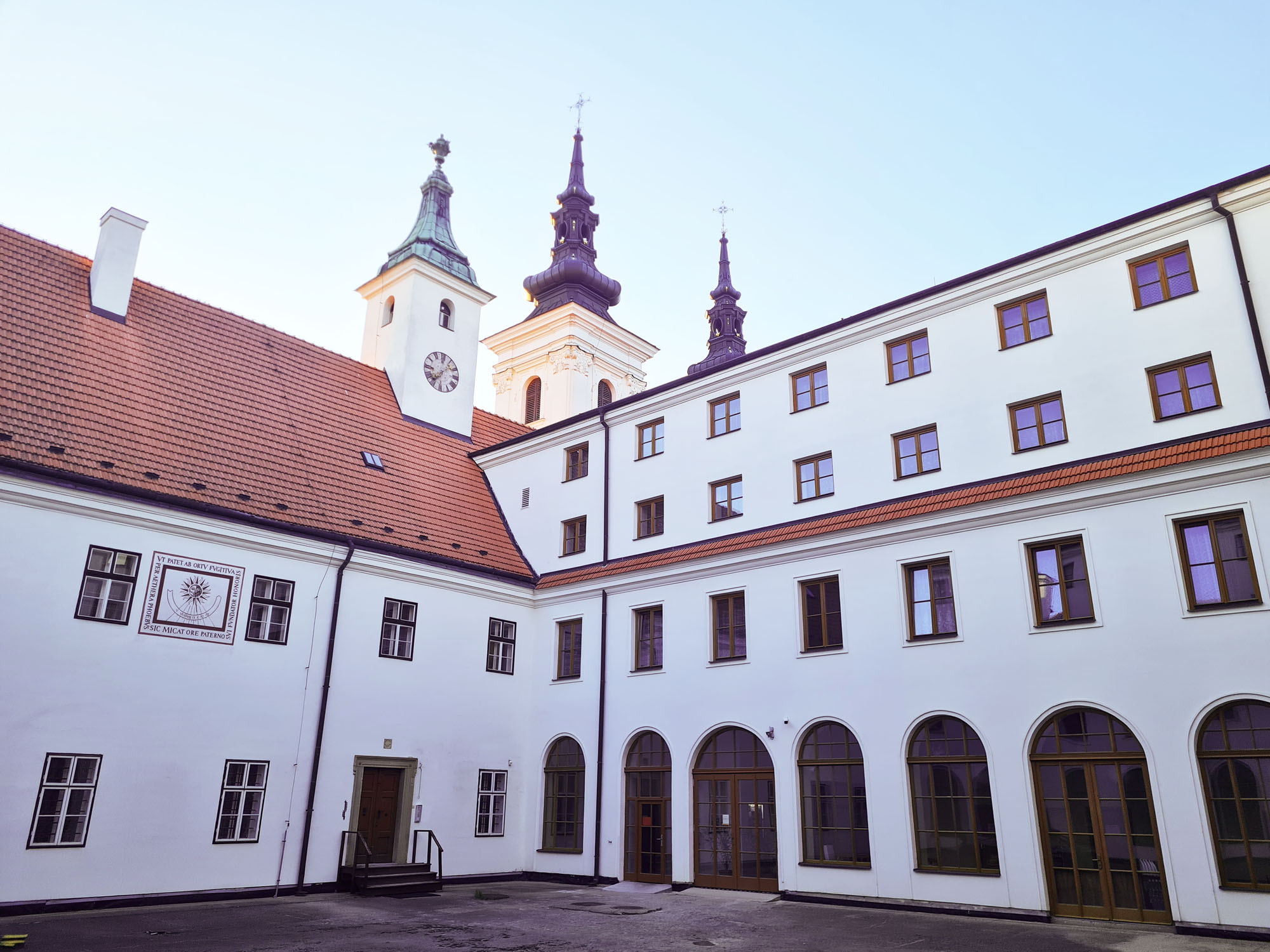
2002 – Start of the second phase of construction of the Spiritual Center
Work is beginning on completing the monastery complex—the construction of the east and north wings of the Center. This will expand the functional connectivity of the entire complex.
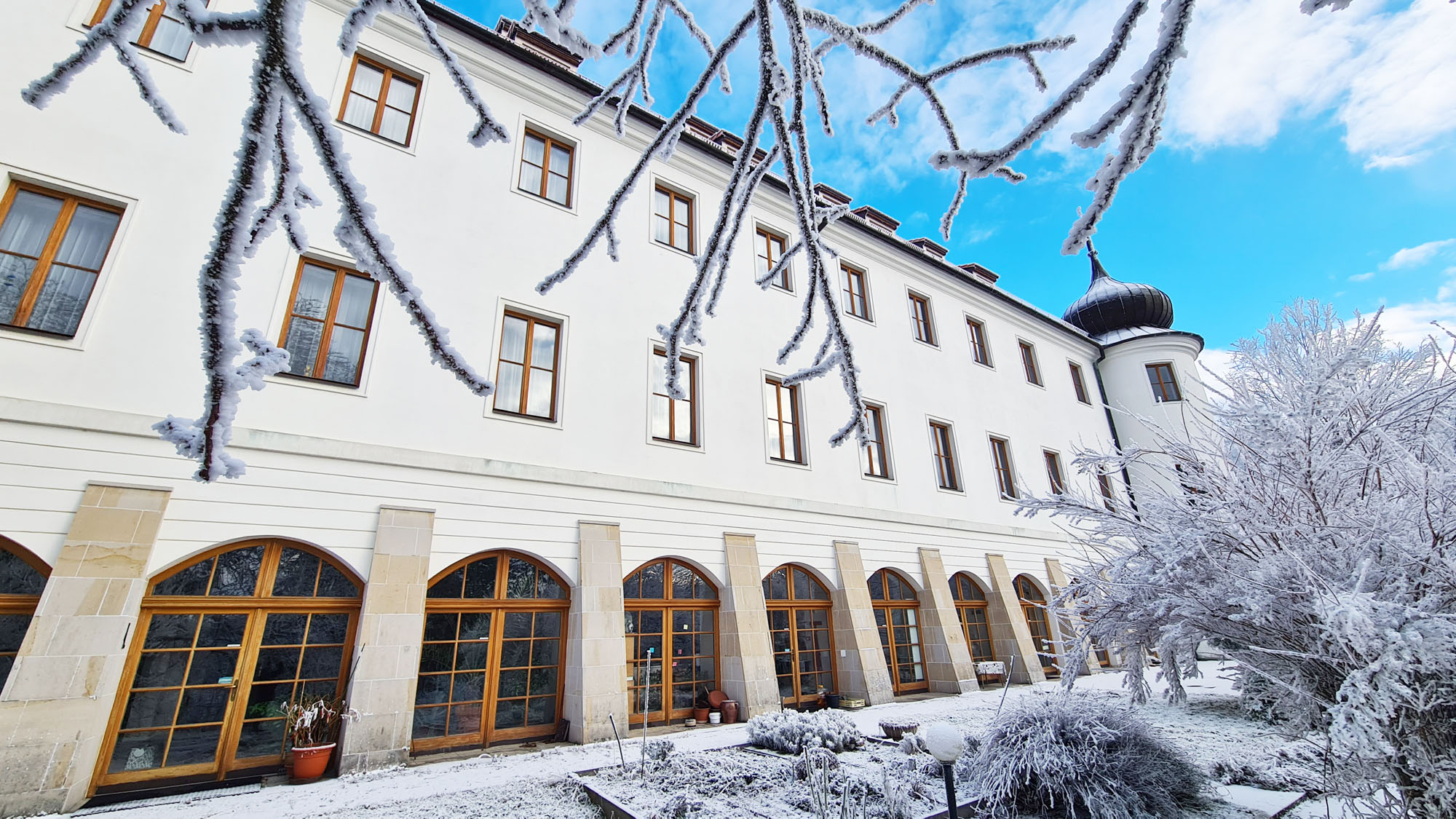
2004 – New Facade of the Spiritual Center
The building is getting its first unified facade, which gives the Center a dignified appearance and protects its structure.
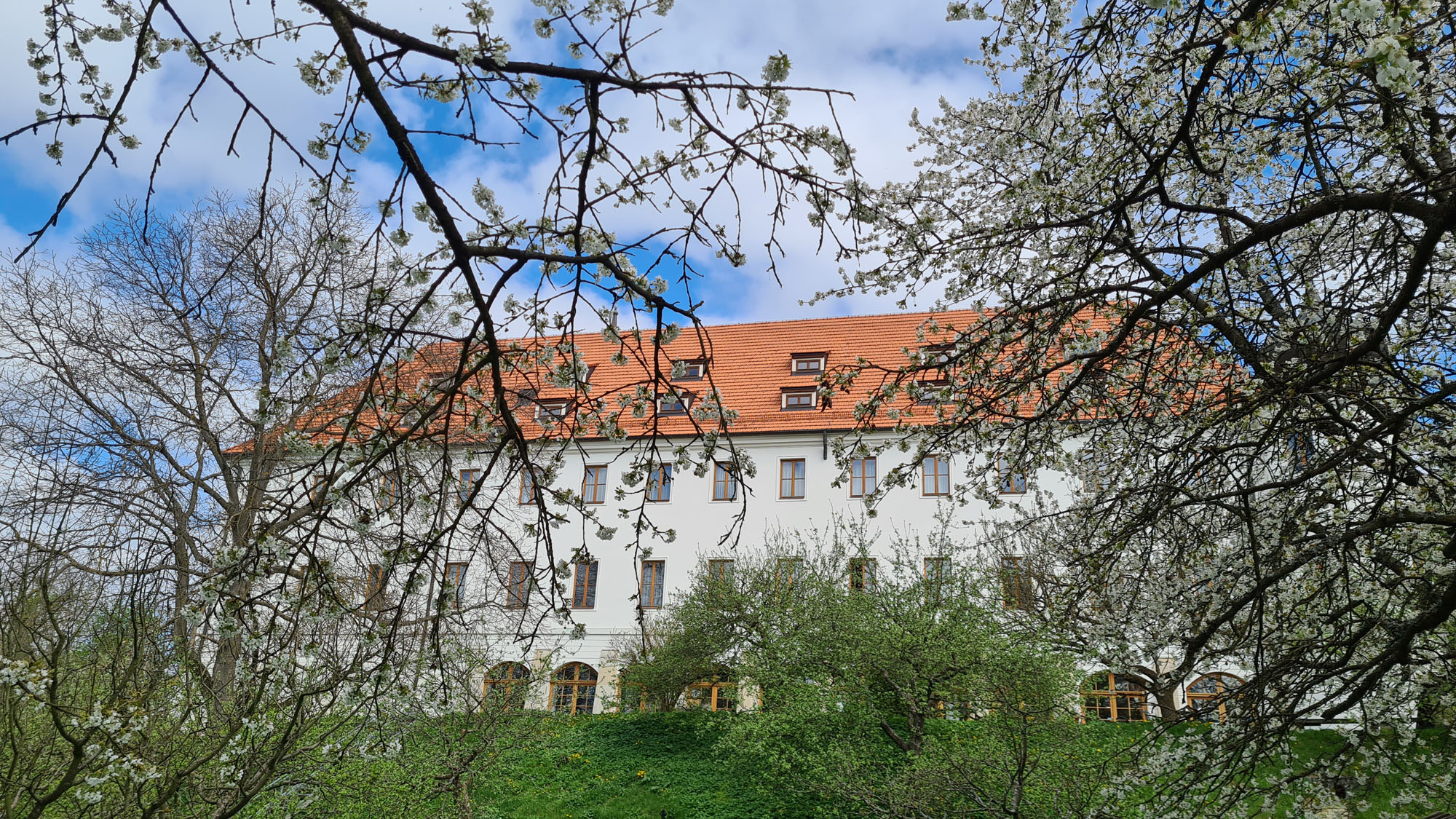
2006–2007 – Repair of the roof and roof trusses of the Spiritual Center
Next up is the original west wing of the monastery. The roof and roof trusses are undergoing a complete restoration to preserve the building’s stability and historical value.
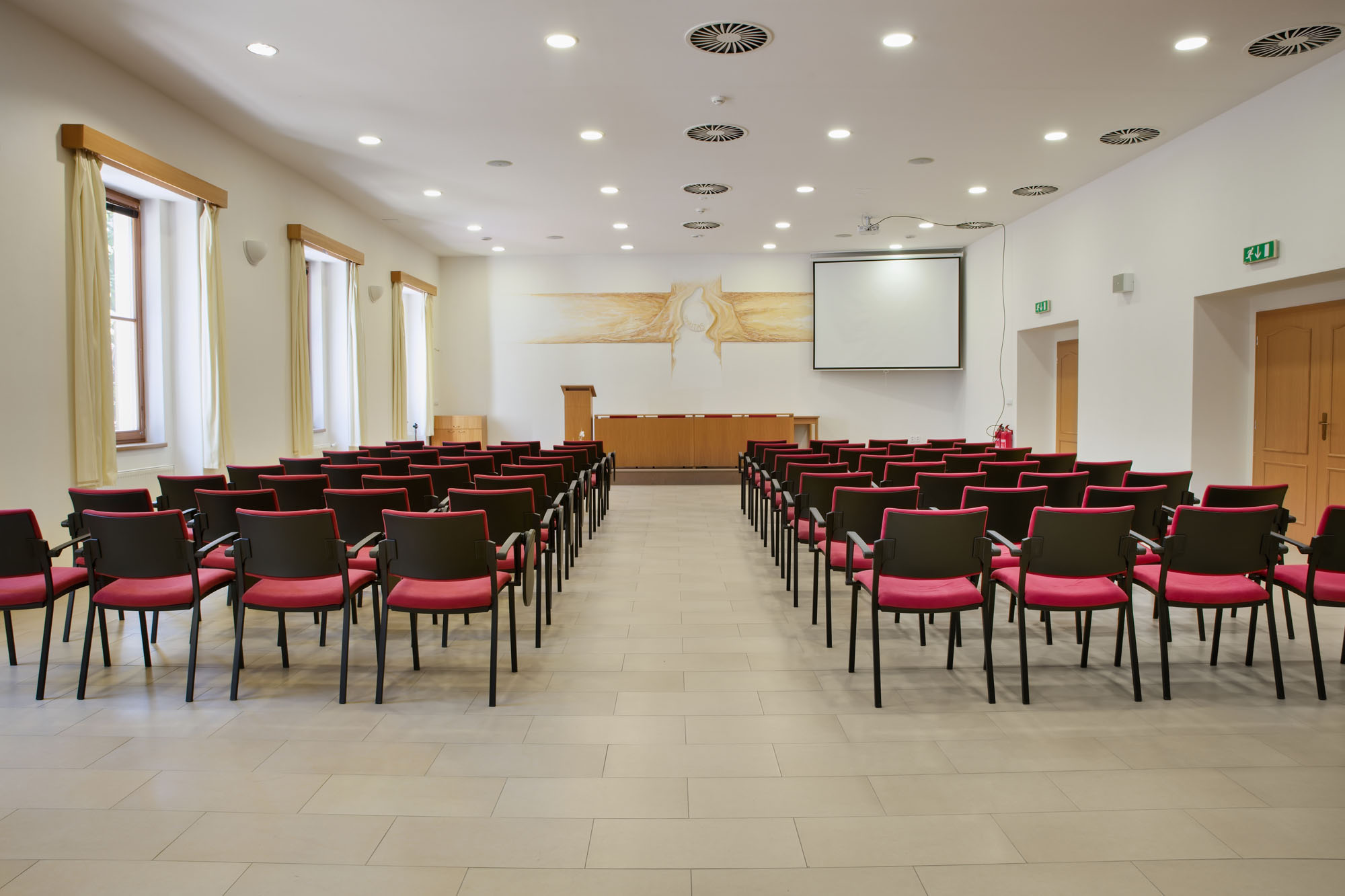
2009 – The Spiritual Center’s Large Lecture Hall and Parking Garage
A large lecture hall is nearing completion in the east wing, which will allow for the hosting of larger events. The construction project also includes new underground parking garages.
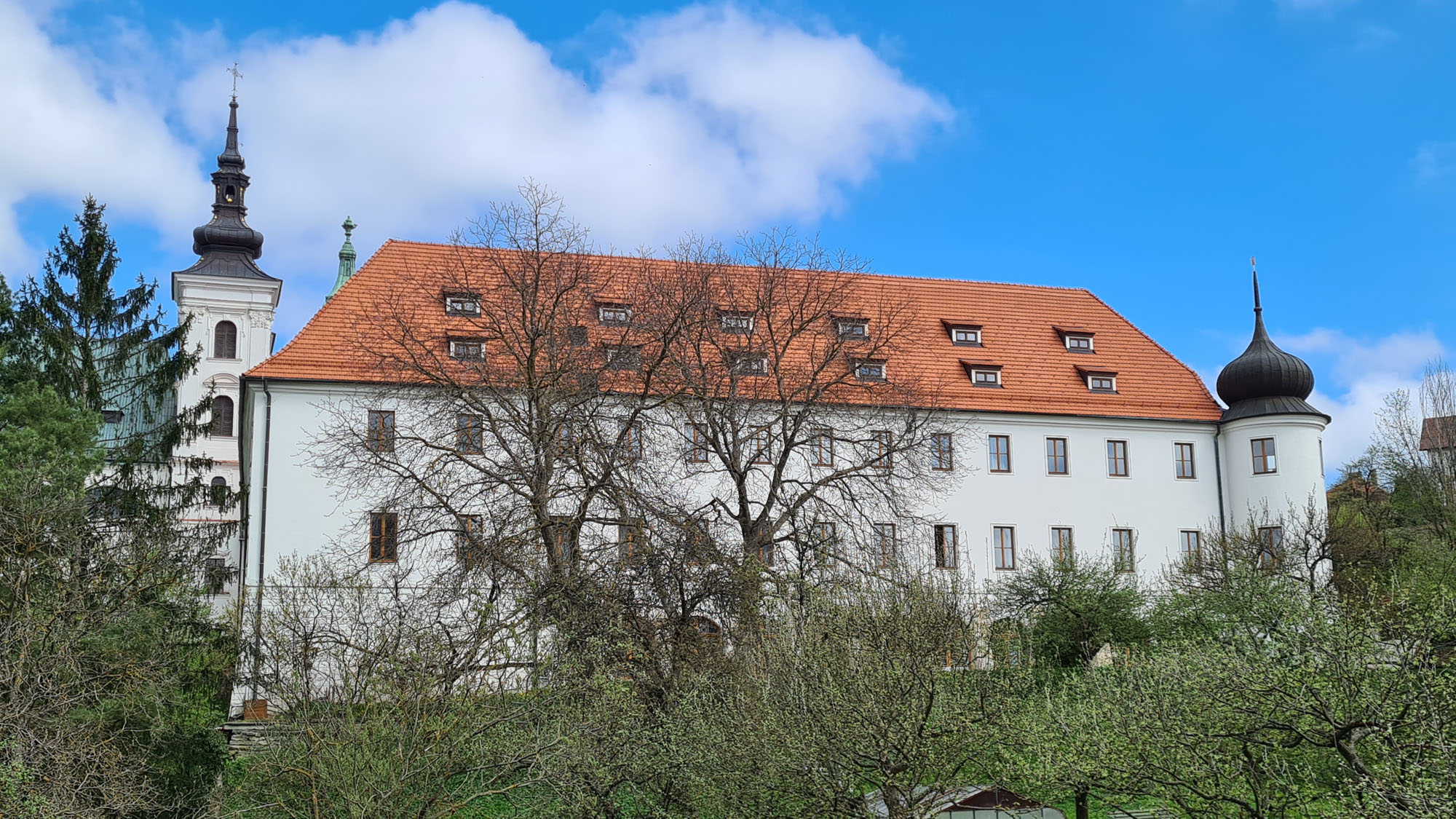
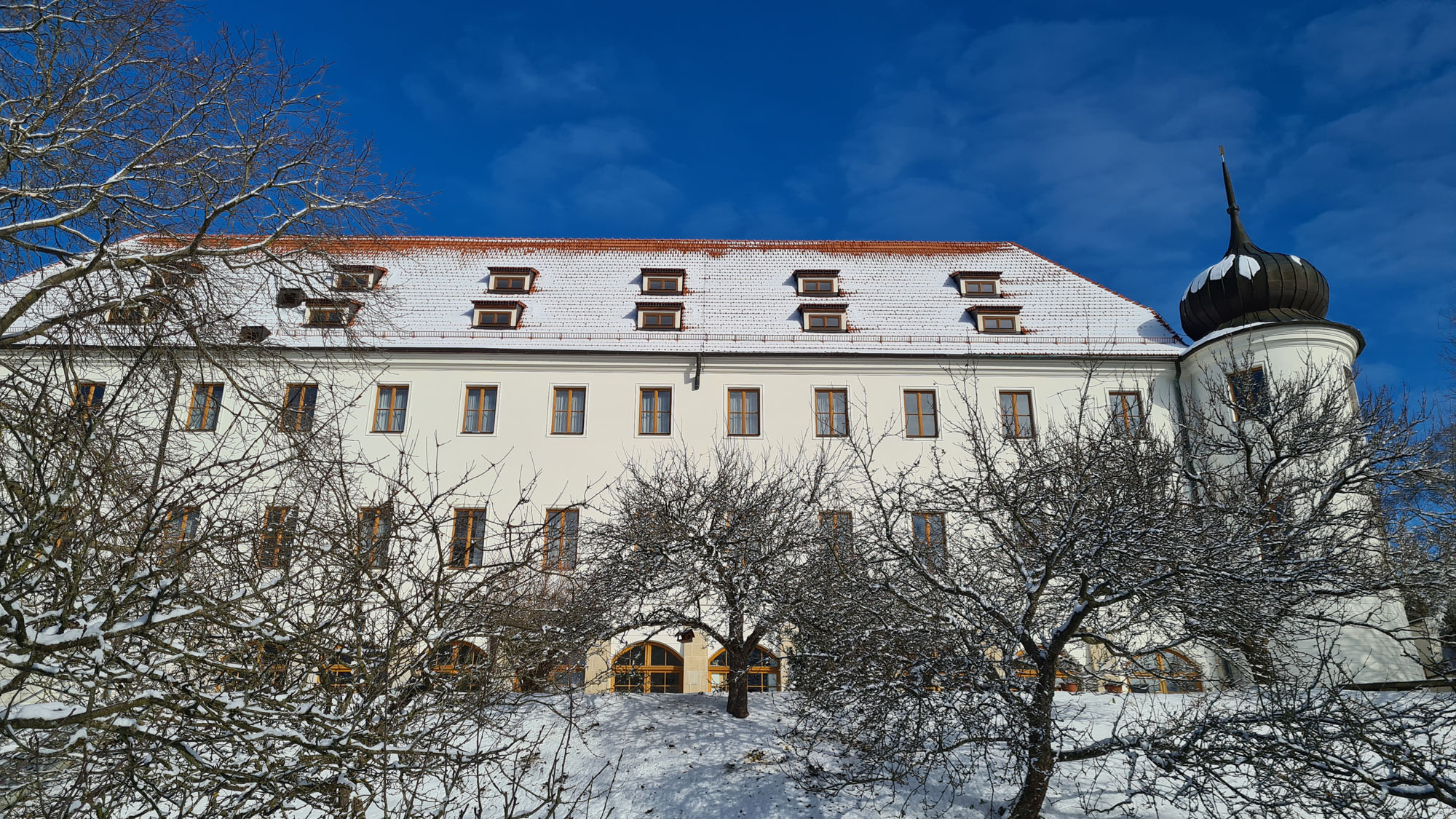
2011 – Completion of three floors of the east wing of the Spiritual Center
Three floors of the east wing are completed this fall. This marks the completion of another significant phase of construction and expands the options for lodging and visitor programs.
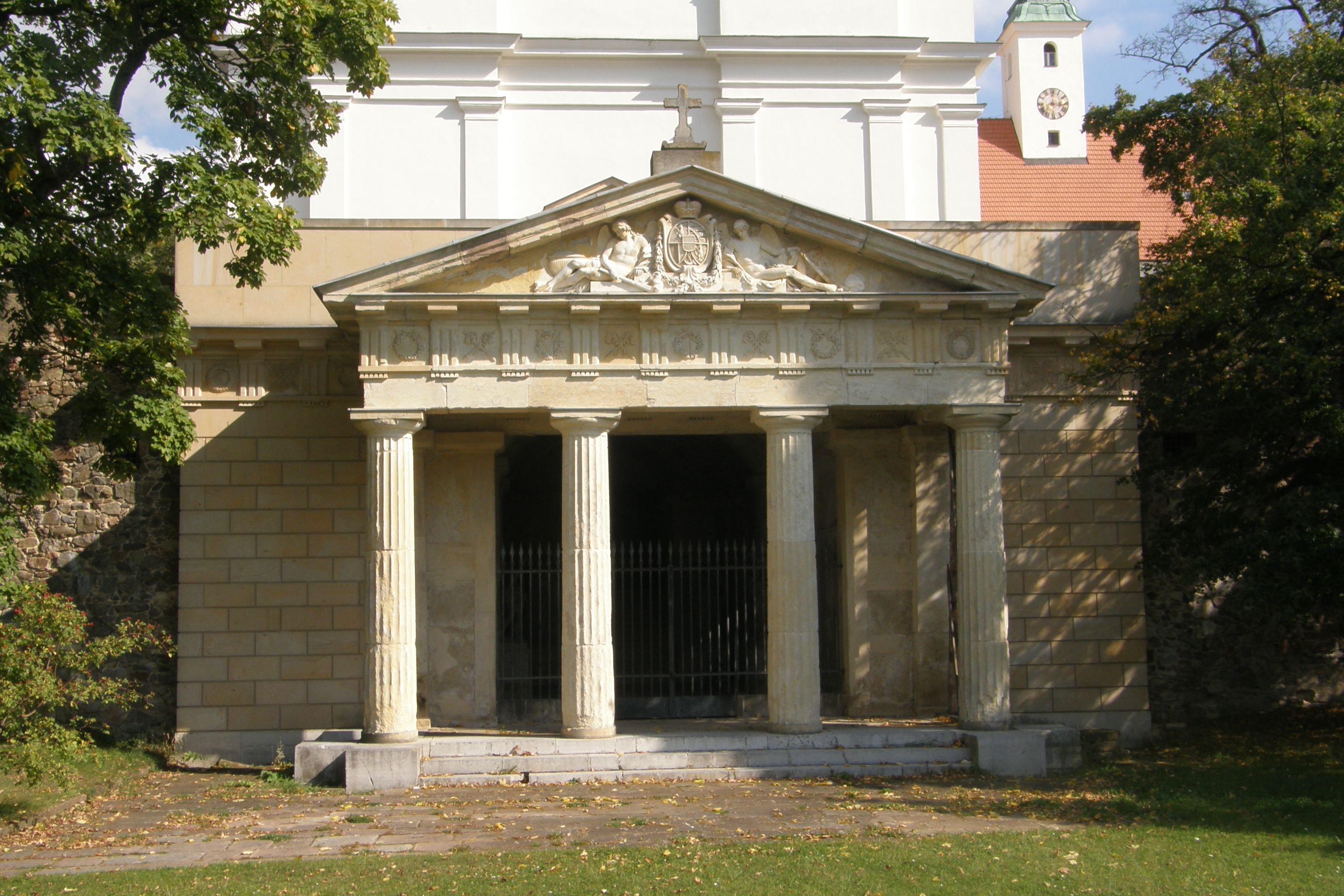
2012–2015 – Restoration of the Liechtenstein Tomb
A thorough restoration of the Liechtenstein mausoleum, an important site of family and cultural heritage, is currently underway.
2014–2015 – The Church’s New Towers
The church is being fitted with newly constructed towers, which are restoring its original character and the beauty of its Baroque architecture.
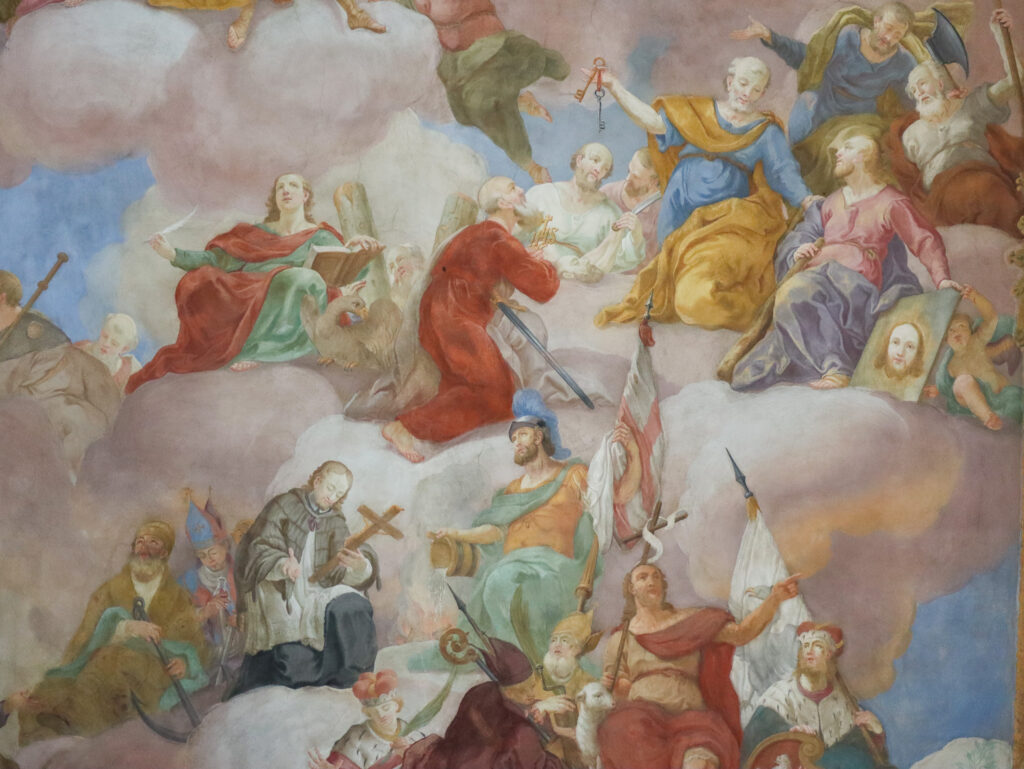
2016–2021 – Restoration of the frescoes
The richly decorated interior of the church is undergoing extensive restoration of its murals and frescoes. Thanks to this, the Baroque beauty that pilgrims knew centuries ago is coming back to life.
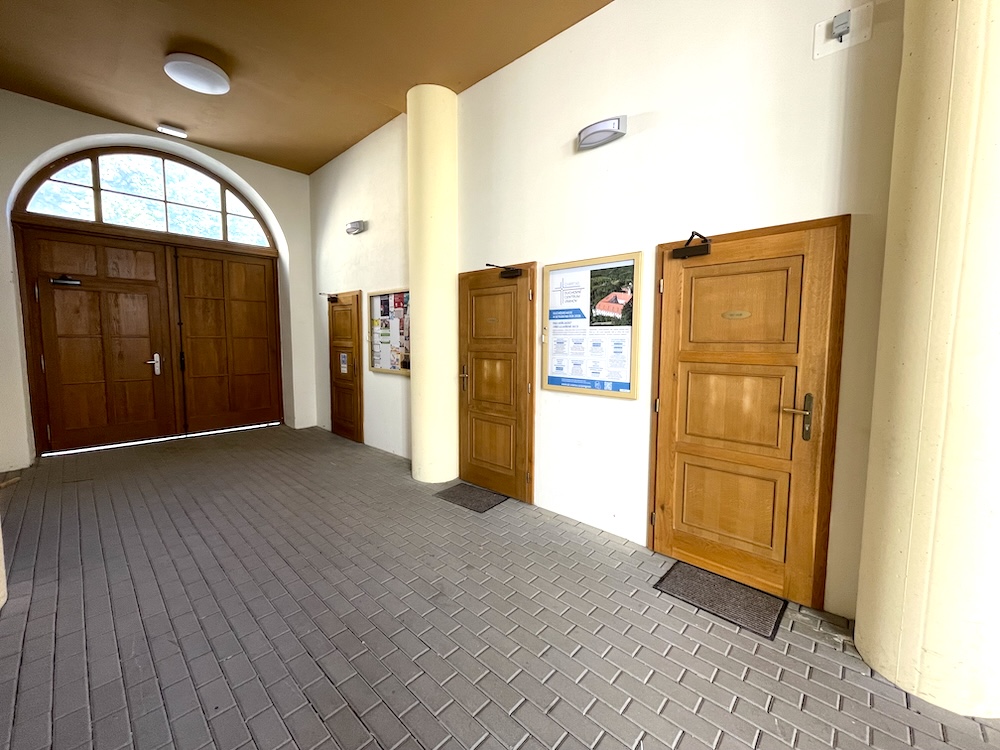
2018–2019 – New Facilities for Pilgrims
New restrooms and facilities have been built to improve visitor comfort and meet the current needs of the pilgrimage site.
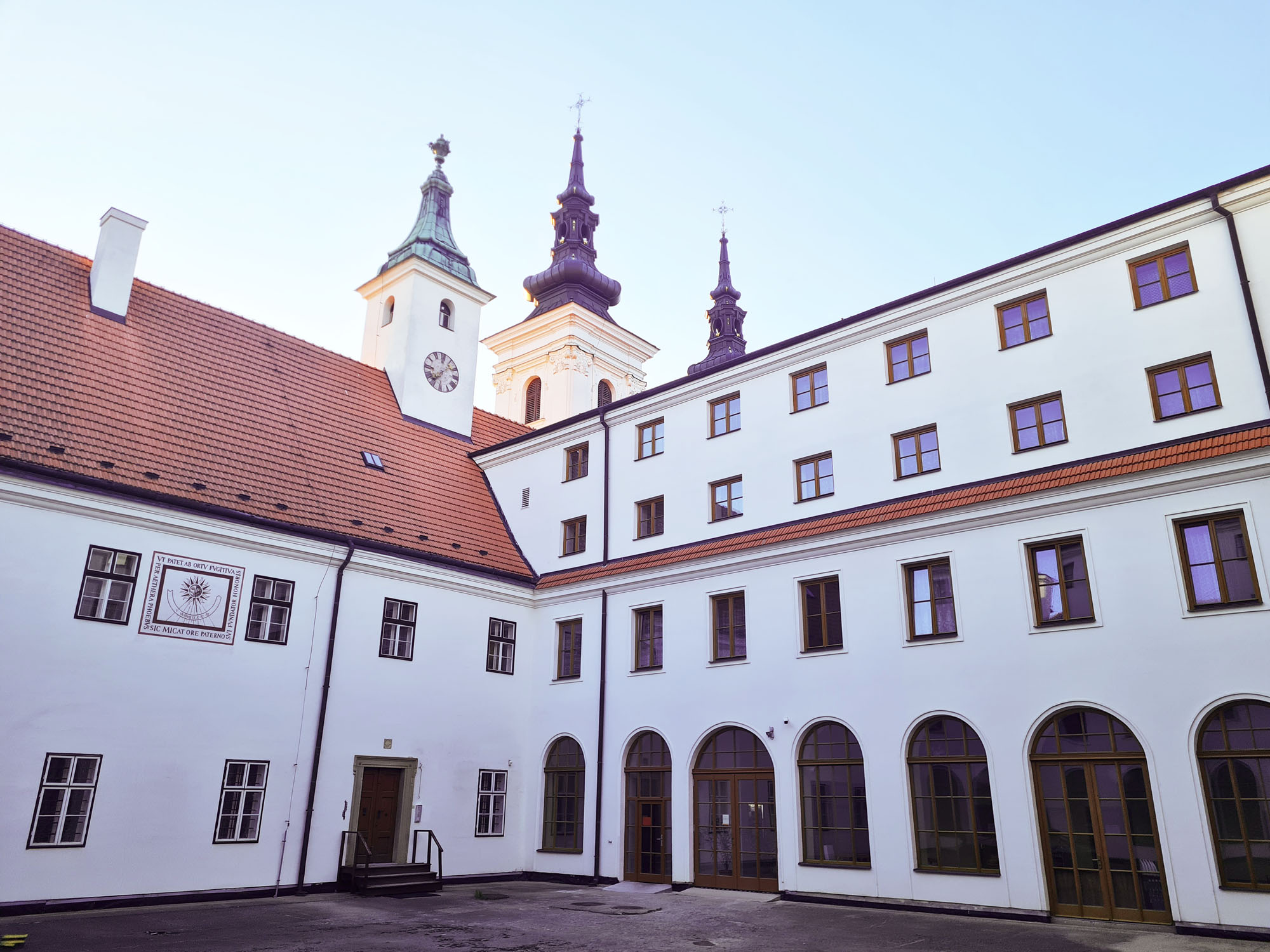
2018–2023 – Completion of the North Wing
The north wing of the monastery was rebuilt, marking the completion of one of the most significant construction projects of recent decades.
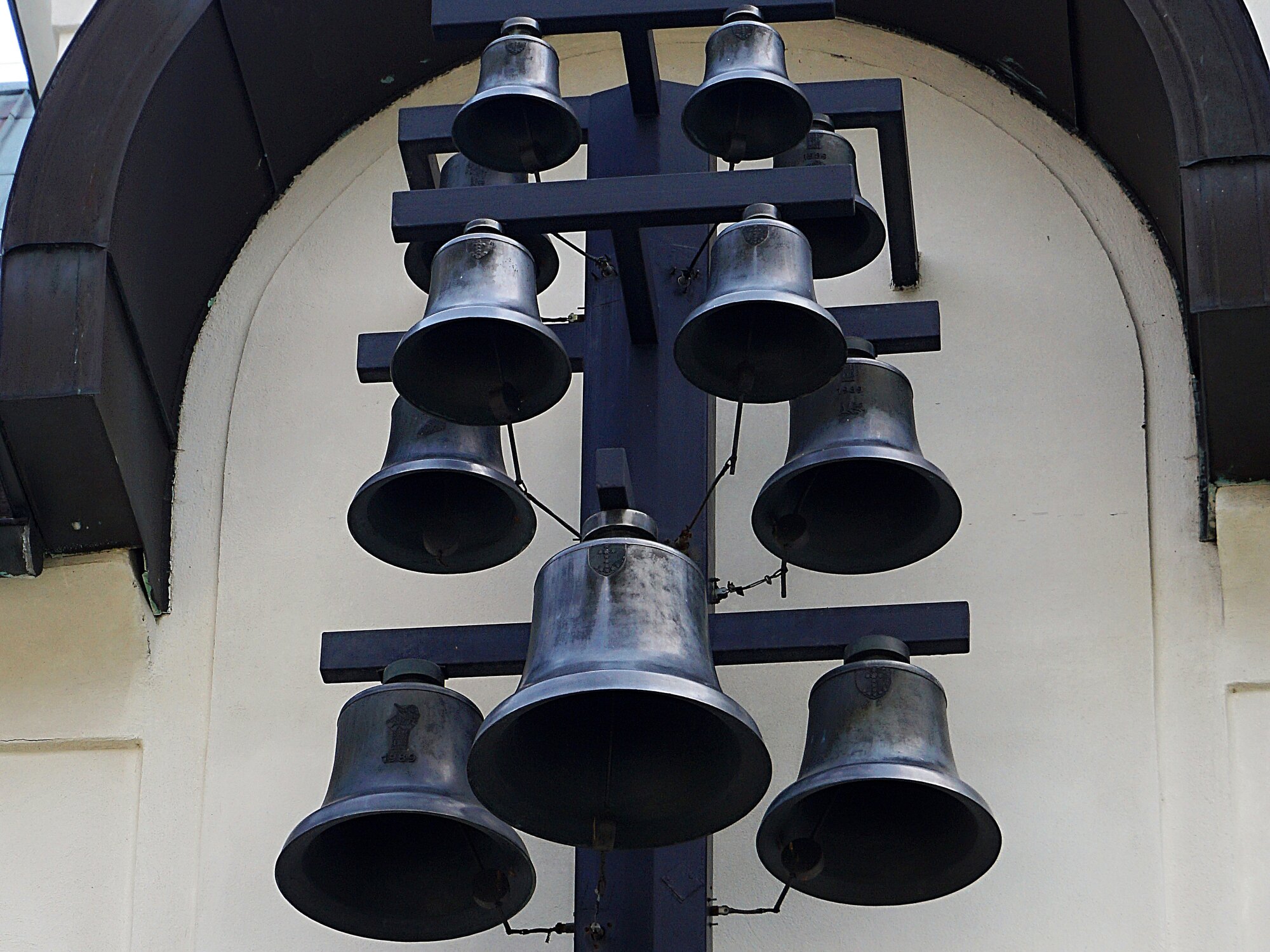
2020–2022 – Repair of the carillon
The carillon, one of Vranov’s most beloved symbols, has been restored and once again fills the area around the church with its unique sound.



 DC Instagram
 DC Facebook
 DC YouTube
 DC Visualisation